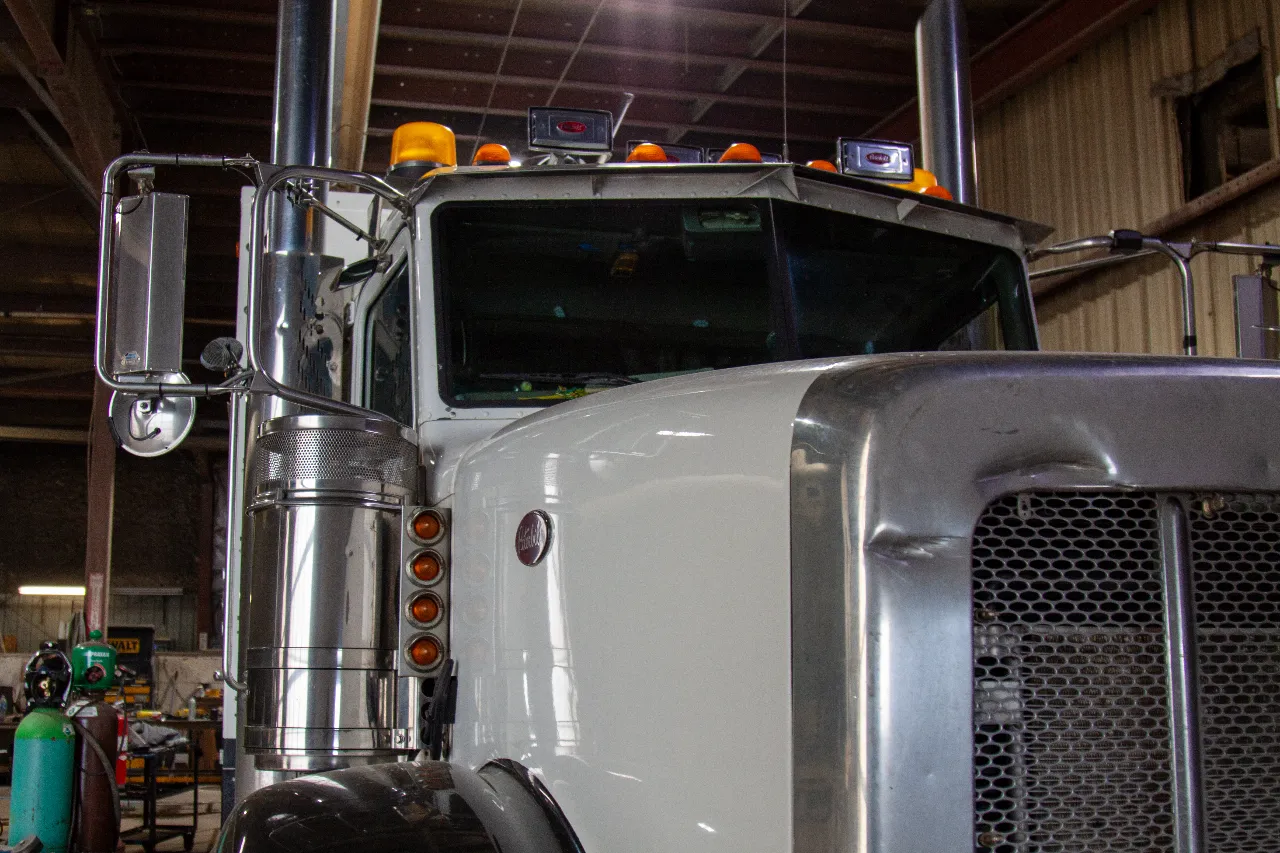
Commercial truck driving is a lot of work. And if you’re starting your career as a commercial truck driver, our congratulations! But we also thought we’d make sure you’re well prepared for what long hours on the road mean. Whether you're hauling freight across Minnesota or making local deliveries around Long Prairie, every mile behind the wheel teaches valuable lessons. The good news? A few smart habits can help you stay safe, protect your equipment, and build a successful career from day one.
If you're new to the industry, these practical tips will help you navigate the road ahead with confidence.
Focus on Safety Before Speed
Many new drivers feel pressure to stay on schedule and maximize productivity. While efficiency matters, safety should always come first.
While experienced drivers understand that arriving safely is more important, it can be easy to fall into the trap that a job done quickly is a job well done. Weather conditions, traffic patterns, construction zones, and road hazards can all affect your trip. Slow down when necessary and give yourself extra following distance, especially when operating a fully loaded truck.
Remember that a heavy-duty truck requires significantly more stopping distance than a passenger vehicle due to its size and weight. Understanding how your truck's air brake system functions can help you make safer driving decisions. Heavy-duty trucks rely on compressed air to activate their brakes, making proper brake inspections a critical part of daily operations.
Perform Thorough Pre-Trip Inspections
One of the most important habits you can develop is conducting detailed pre-trip inspections.
Before every trip, check your:
- Tires and tire pressure
- Lights and reflectors
- Brake components
- Fluid levels
- Mirrors
- Windshield wipers
- Coupling devices
- Air lines
Preventive maintenance plays a major role in reducing breakdowns and extending vehicle life. Regular inspections help you identify small problems before they become costly repairs or dangerous roadside emergencies.
Creating a consistent inspection routine ensures you don't overlook critical components. And keeping track of any issues means you can bring them up when it’s time to get your maintenance work done (or schedule any PM early!)
Learn Your Truck's Systems
Modern commercial trucks are highly sophisticated machines. The more you understand your equipment, the better you'll be able to identify potential issues.
Spend time learning about key systems such as:
- Diesel engines
- Transmission systems
- Cooling systems
- Driveline components
- Air brake systems
- Aftertreatment systems
- Suspension systems
For example, understanding how the engine cooling system works can help you recognize early signs of overheating. The cooling system transfers heat away from the engine using coolant, a radiator, and a cooling fan to maintain proper operating temperatures.
Knowing what "normal" looks and sounds like makes it easier to spot problems before they lead to breakdowns.
Master Backing and Parking Skills
Backing accidents are among the most common incidents involving commercial vehicles.
New drivers should practice:
Straight-Line Backing
This fundamental skill teaches vehicle control and trailer positioning.
Offset Backing
Offset backing simulates real-world situations where you must maneuver into tight spaces.
Alley Docking
Many loading docks require precise backing skills. Taking your time and using available space effectively can prevent costly collisions.
Never hesitate to get out and look if you're unsure about clearance or obstacles. A few extra minutes spent checking your surroundings can save thousands of dollars in damage.
Watch Your Following Distance
Tailgating is dangerous in any vehicle, but it's especially risky in a commercial truck.
A loaded tractor-trailer can weigh tens of thousands of pounds, making sudden stops difficult. Maintain a generous following distance and increase it during adverse weather conditions.
Snow, ice, rain, and fog are common challenges in Minnesota. Giving yourself extra room allows more time to react when traffic conditions change unexpectedly.
Manage Fatigue Effectively
Driver fatigue is one of the biggest safety concerns in the trucking industry.
To stay alert:
- Get adequate sleep before your shift
- Follow Hours of Service regulations
- Take scheduled breaks
- Stay hydrated
- Eat balanced meals
- Avoid relying solely on caffeine
If you feel drowsy, find a safe place to stop. No load is worth risking your or others' safety on the road.
Understand Weight Distribution
Proper loading affects handling, braking, and overall vehicle performance.
Uneven weight distribution can cause:
- Reduced steering control
- Increased tire wear
- Suspension stress
- Poor braking performance
- Trailer instability
Before leaving a shipper, verify that the cargo is properly secured and distributed. Suspension systems are designed to support truck and cargo weight while maintaining stability, but improper loading can still create handling problems.
Pay Attention to Warning Signs
Your truck often provides warning signs before a major failure occurs.
Be alert for:
- Unusual noises
- Warning lights
- Excessive vibration
- Fluid leaks
- Burning smells
- Reduced engine performance
For example, overheating can indicate problems with the radiator, cooling fan, water pump, or coolant system. Addressing issues early often prevents costly repairs and downtime.
Ignoring small problems rarely makes them disappear.
Plan Your Route Ahead of Time
Successful drivers don't simply follow GPS directions. They actually plan ahead.
Before starting a trip:
- Review your route
- Check weather forecasts
- Identify fuel stops
- Locate rest areas
- Note low-clearance hazards
- Monitor construction updates
Having a backup plan helps reduce stress when unexpected situations arise.
Route planning also improves fuel efficiency and helps ensure on-time deliveries.
Communicate Professionally
Strong communication skills can set you apart as a professional driver.
Maintain clear communication with:
- Dispatchers
- Customers
- Mechanics
- Warehouse personnel
- Fellow drivers
When reporting vehicle issues, provide as much detail as possible. Accurate information helps technicians diagnose and repair problems more efficiently.
Professionalism builds trust and can create future opportunities throughout your trucking career.
Keep Learning From Experienced Drivers
Every veteran driver has stories, lessons, and practical knowledge that aren't found in training manuals.
Ask questions. Listen carefully. Learn from their successes and mistakes.
Many experienced drivers can teach valuable skills related to:
- Fuel-saving techniques
- Defensive driving
- Winter driving
- Trip planning
- Equipment care
- Time management
The trucking industry rewards drivers who remain committed to continuous improvement.
Build Good Maintenance Habits
Even if you're not performing repairs yourself, understanding basic maintenance can save time and money.
Pay close attention to:
- Engine oil levels
- Coolant condition
- Transmission fluid
- Differential gear oil
- Diesel Exhaust Fluid (DEF)
Routine maintenance helps prevent breakdowns and keeps your truck operating efficiently. Preventive maintenance is one of the most effective ways to maximize reliability and reduce long-term operating costs.
Keep on Truckin’
Starting your journey as a commercial truck driver can feel overwhelming at first, but developing strong habits early makes a tremendous difference. Prioritize safety, perform thorough inspections, understand your equipment, and stay committed to learning. By focusing on preventive maintenance, proper driving techniques, and professional communication, you'll build a foundation for a long and successful trucking career.
If you need professional truck maintenance or repairs in the Long Prairie area, the team at Prairie View Diesel Repair is ready to help keep your truck running safely and efficiently.


