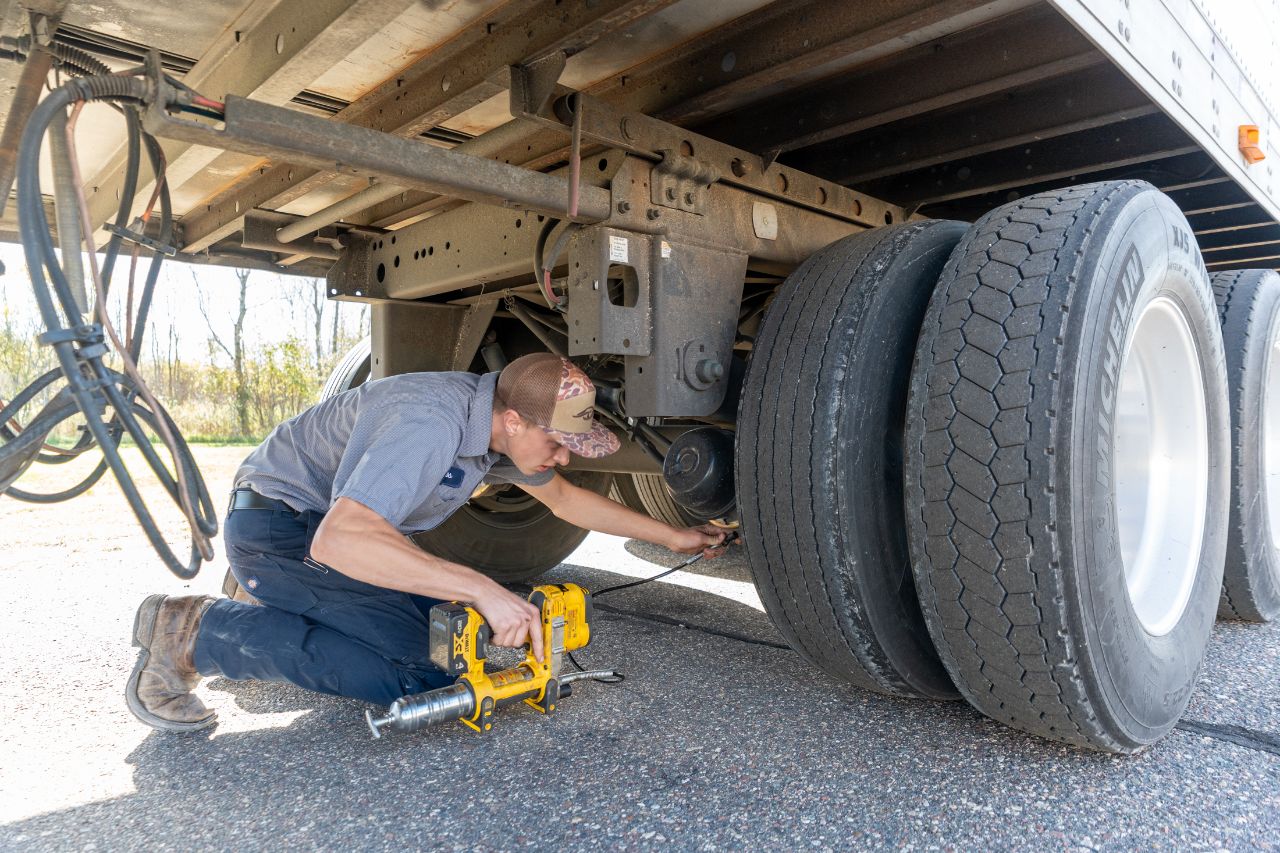
Trailer Tire Pressure
When it comes to safe and efficient towing, many drivers focus on:
- Engine performance
- Brake health
- Suspension integrity
While all those systems certainly deserve attention, one often overlooked element is trailer tire pressure. Not only does improper inflation compromise road safety, but it also affects fuel economy, tire longevity, and the overall handling of your rig.
Tire Pressure in Towing Safety
Every trailer tire has a manufacturer-recommended PSI (pounds per square inch), and that number isn’t just a suggestion—it’s a critical specification. Underinflated tires deform under load, generating excess heat and increasing the risk of blowouts. On the flip side, overinflated tires reduce the contact patch with the road, leading to less traction and premature wear along the center tread.
Proper trailer tire pressure ensures that your tires maintain optimal shape and contact with the road, which in turn affects:
- Braking distance
- Steering responsiveness
- Load stability
These are non-negotiables, especially when hauling equipment, livestock, or heavy-duty freight. Even a single PSI deviation can throw your alignment off and cause unpredictable handling in high winds or during evasive maneuvers.
The Impact on Fuel Efficiency
Poorly inflated trailer tires cause more rolling resistance. When your tires have to work harder to roll, your tow vehicle’s engine works harder too. That means more fuel burned, more emissions released, and more dollars out of your pocket.
Studies show that a drop of just 10 PSI can reduce fuel economy by 1% to 2%. While that may not sound like much, consider how that adds up over thousands of miles. For long-haul operations or regional deliveries, that inefficiency snowballs into substantial overhead costs.
Uneven Wear and Premature Tire Failure
Tires are expensive—and trailer tires are no exception. But even the best tire on the market will fail prematurely if it's running under improper pressure. Low tire pressure causes the outer edges of the tread to wear faster. Conversely, high tire pressure will grind down the center tread while leaving the shoulders underutilized.
Both scenarios shorten tire life, increase downtime for replacements, and elevate the risk of dangerous blowouts. In commercial operations, downtime means lost revenue—and possibly liability if a tire-related incident occurs on the road.
Trailer Weight and Load Distribution
Trailer tires are rated to handle specific weight loads, known as their load index. When you don't maintain proper tire pressure, that weight rating becomes unreliable. This is especially dangerous when you're near your trailer's maximum Gross Vehicle Weight Rating (GVWR).
Improper pressure shifts how the load is distributed across the axles, which can cause:
- Axle overloading
- Frame stress fractures
- Uneven braking performance
Tire pressure directly influences how well your suspension and braking systems manage the load. One weak link—one underinflated tire—and the entire system is compromised.
The Relationship Between Temperature and Tire Pressure
Tire pressure isn’t static. It fluctuates with temperature. For every 10°F drop in ambient temperature, tire pressure can drop by 1-2 PSI. That’s why regular checks are critical, especially during seasonal transitions in places like Long Prairie, MN, where temperature swings are common.
Cold mornings can give you false readings if you're checking tires after a long drive or after the sun has warmed them up. Always check trailer tire pressure when tires are “cold”—ideally, before your day starts.
Best Practices for Monitoring and Maintenance
Maintaining tire pressure isn’t complicated—but it does require consistency. Here are practical steps to keep your trailer tires in top shape:
Use a High-Quality Tire Pressure Gauge
Digital gauges offer more accurate readings than analog ones. Make it a habit to check tire pressure at least once a week, and always before long trips or hauls.
Invest in a Tire Pressure Monitoring System (TPMS)
Modern TPMS systems can be installed on trailer tires and alert drivers to pressure drops or overheating in real time. These systems are invaluable for preventing catastrophic failures on the road.
Follow the Manufacturer’s PSI Ratings
Always inflate tires according to the load rating and the manufacturer’s PSI recommendation—not by feel or "what looks right." Over-the-road trailers and tandem axle setups often have different PSI needs.
Inspect for Damage During Every Check
While checking pressure, also inspect tires for signs of:
- Cracks or dry rot
- Uneven tread wear
- Embedded debris or nails
This two-minute check can prevent costly roadside repairs or tow jobs.
Trailer Types and Pressure Variation
Not all trailers are created equal. Equipment trailers, enclosed trailers, livestock haulers, and flatbeds all carry loads differently and often require different tire pressure specifications.
For example:
- Livestock trailers need stable traction for live loads that shift weight.
- Flatbed trailers often carry dense, heavy cargo, demanding higher pressure.
- Enclosed trailers can develop internal heat buildup, amplifying pressure swings.
Adjusting tire pressure based on trailer type and load characteristics is essential.
Legal and Compliance Considerations
In commercial operations, DOT inspections may include trailer tire checks. Inadequate pressure can result in fines, citations, or even being pulled out of service. Moreover, if an accident occurs and improper tire pressure is found to be a factor, it could result in liability claims or impact your safety rating.
Make Tire Pressure a Priority
Whether you're hauling heavy freight across the Midwest or making local deliveries, proper trailer tire pressure is one of the simplest yet most impactful aspects of your towing operation. It ensures safety, optimizes fuel efficiency, extends tire life, and keeps your rig compliant and reliable. Don’t wait for a blowout to make tire pressure a priority—build it into your daily routine and keep your operation rolling strong.
If you require tire repairs or services in Long Prairie, MN, reach out to our team at Prairie View Diesel Repair today.


